 Book a Demo
Book a Demo
Book a Demo
The clinic runs itself. You just see patients.
DoctorFlow puts a live room board on tablets around your clinic. Everyone sees every room and every request, so nobody comes looking for you and nothing gets lost between rooms. You walk out of a room already knowing your next step.








Dr. Bart Kaczmarek on what actually slows a clinic down — and what DoctorFlow does about it.
It's the waiting, the asking, the chasing, and the thing you asked for that nobody heard. The clinic has no flow, and it drains you quietly all day. Then you take the rest of it home.
You walk out of a room and stop. Nobody told you where to go, so you check doors or find someone to ask. A couple of minutes. Then the same couple of minutes again, all day.
The room needs turning over and the only way to say so is out loud, down a hallway, to whoever happens to be standing there. Your next patient is sitting somewhere else, waiting.
Your nurse was free. You didn't know. A chaperone was free. Nobody asked. Everyone waited, the patient waited, and nobody did anything wrong.
You need an ECG, a swab, an injection. You don't know who's free, so you open the door and look, or you ask the front desk to go and find someone. The patient sits there while you do it.
Nobody looks for a room. Nobody looks for you. Nothing sits in your head waiting to be remembered. Every action on the board is there because a doctor or a nurse needed it between rooms.
A live screen shows every room — who's in, who's ready, what's next, and exactly where every doctor and nurse is standing right now. The same view runs on any desktop, so the front desk answers its own question instead of interrupting you.
Vitals, cleaning, a chaperone, the next patient in. One tap from inside the room. Your staff sees it instantly and you keep going. No hallway shouting, no waiting for someone to walk past.
You see your own queue. Rooming and nursing staff see theirs. Everyone knows what's next without asking anyone, which is most of the noise gone.
Every request sits on the board until someone picks it up and clears it, and no patient sits forgotten in a room because you got pulled somewhere else. Nothing escapes your head and no patients get lost.
Every action is customizable to how your clinic works — swab, ECG, injection, interpreter, chaperone, whatever fills your day — and changed in seconds when the clinic changes. You can also free type — and the message goes straight to the nurse or doctor you need.

"During the busy periods, things were calmer. More visible. More in control. Fewer loose ends. ... It's clearly been built with a proper understanding of how clinics actually run."
Dr. Michael McLean, Family Physician — McLean Medical, Windsor · Read the full post →
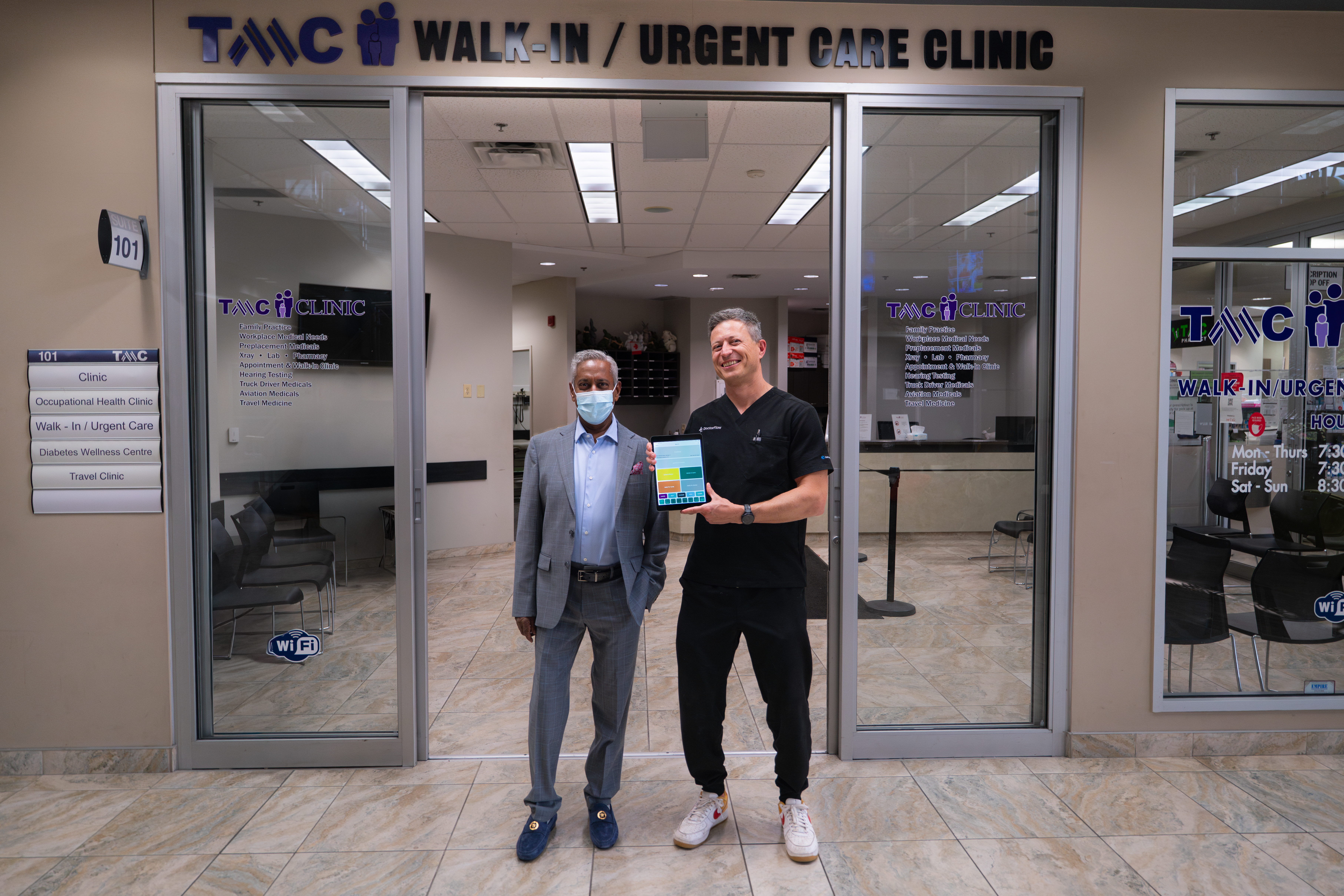
A few of the clinics running DoctorFlow today — each one live within a day of the displays going up, with zero disruption to patient care.
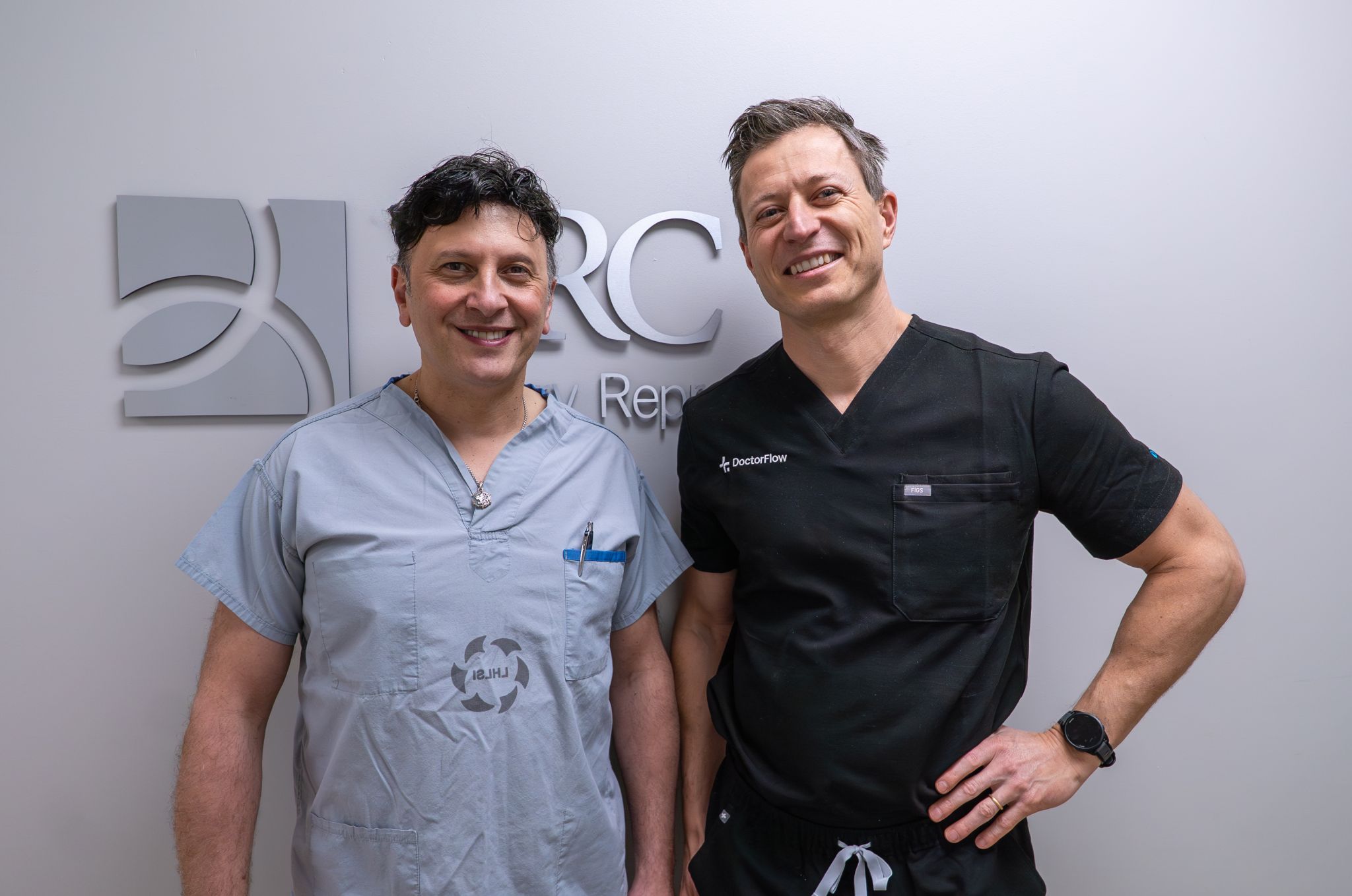
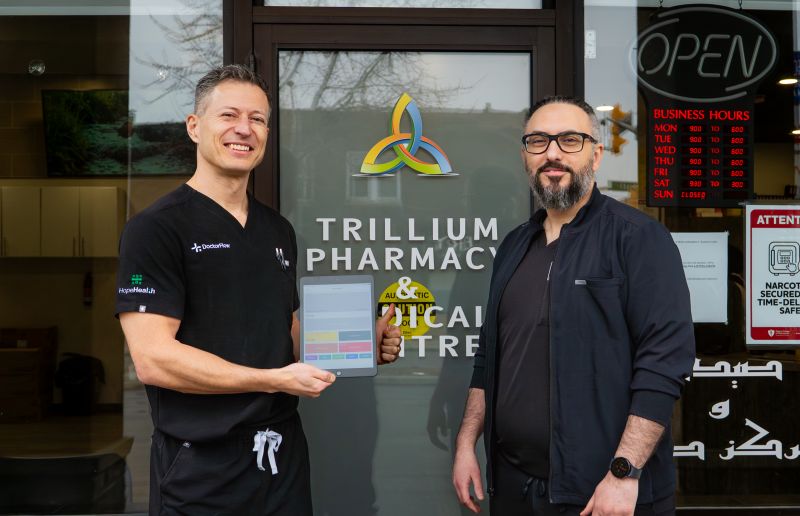
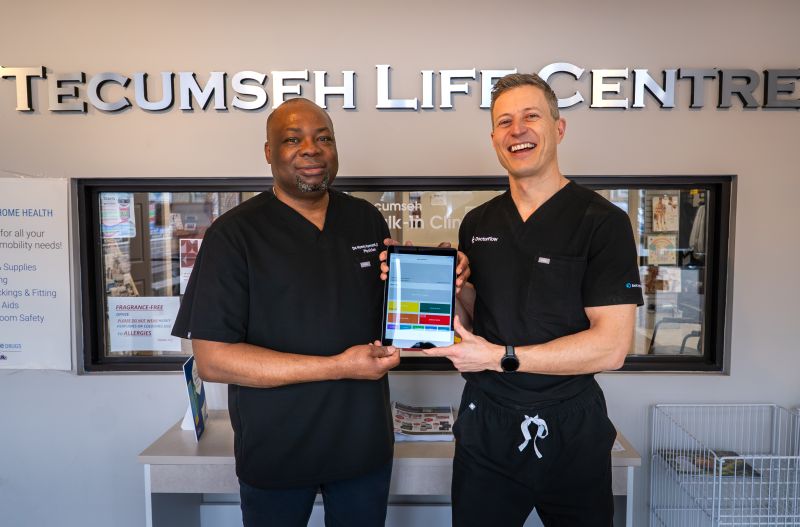
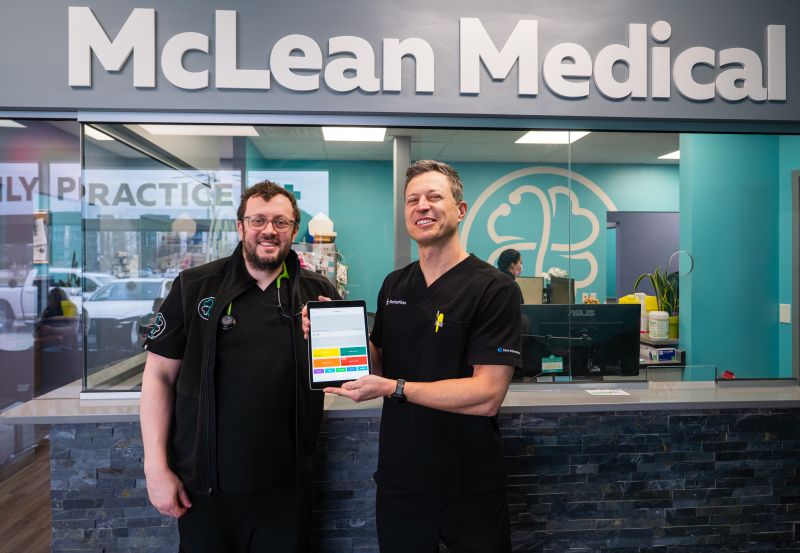

Same staff, same rooms, same number of doctors. The only thing that changed was that everybody could see what was happening.
Nothing about the care changed. Patients stopped sitting in rooms waiting for the next thing to happen, and the day stopped backing up behind them.
Dr. Bart Kaczmarek, Family Physician — Hope Health, Windsor
The day gets quieter, and it hands you time back. What you do with that time is nobody's business but yours.
Now you can. The last hour of clinic stops being the one that runs over, and you leave when you planned to.
You can do that too, in the same hours you already work, without adding a room or a single staff member.
Nobody is going to tell you which one to pick.
Your doctors feel it as a calmer day. You see it in the month.
Every room that turns over faster is a slot back in the day. Your doctors either finish earlier or fit more people into the hours they already work. Depending on where you're starting from, that can be several more patients a day per doctor, with no new rooms and no new staff. In a high-volume clinic that's around $31,000 per doctor, per year.
End-of-day reports show each doctor's idle minutes, average room time, and where the day backed up — so you're running the schedule on numbers instead of guesses.
Family practices, walk-ins, urgent care, specialty clinics — anywhere a doctor runs three or more rooms.
We map your rooms, show you where every display goes, and take you and your electrician through the mounting and the power, step by step. Nothing to work out on your own, and the clinic never closes for it.
Tablets arrive configured and ready. Mount them, power them, and the board is live. Maintained at no extra cost, all in the monthly price.
Staff picks it up immediately. No multi-day training. No IT headaches. No EMR setup.
Use it for 90 days. If your days don't run easier, full refund. We take back our hardware and you owe nothing.
There's an order of who's next to be seen, and you can adjust it to your needs — acute patients get moved up if needed.
Only if you want to. DoctorFlow takes out the waiting and the hunting between patients. Some doctors put that time into one more patient. Most put it into leaving on time.
It works best when each doctor is running three or four rooms or more. Below that there isn't enough moving at once for the board to give you back much.
No. DoctorFlow runs alongside your EMR on separate tablets. It handles flow and communication, not charting. Nothing to integrate, nothing to migrate, no IT project.
Your staff are usually the ones most excited about it — they feel the benefit first. No more being chased down the hall, no more guessing what a doctor needs. They pick it up in about fifteen minutes because it takes steps away instead of adding them.
Early clinics get permanently locked at $20/display/month — 80% below standard pricing. This rate stays yours as long as you're a customer. Once these spots fill, the next tier is higher and it never comes back down.
90-day guarantee. If your clinic doesn't see measurable improvement, we take back our hardware, refund every dollar, and there are no obligations.

I started with flags on my doors. That worked with two rooms. At four it was getting silly, and I was heading for seven plus two procedure rooms with a team prepping ahead of me. The systems hospitals buy for this wanted thousands per room, so I put tablets on the walls instead and had an engineer build the first version.
What I got out of it wasn't a number. It was walking out of a room already knowing where to go. Nobody standing in my doorway to ask me something. Nothing I had to hold in my head until the end of the day. Another doctor saw it, wanted it in his office, and here we are.
Dr. Bart Kaczmarek — Family Physician
Henry Ford-trained · 10+ years of practice
Book 15 minutes. I'll show you the board on a normal day and tell you straight whether your clinic is a fit.
Book a 15-Minute Demo